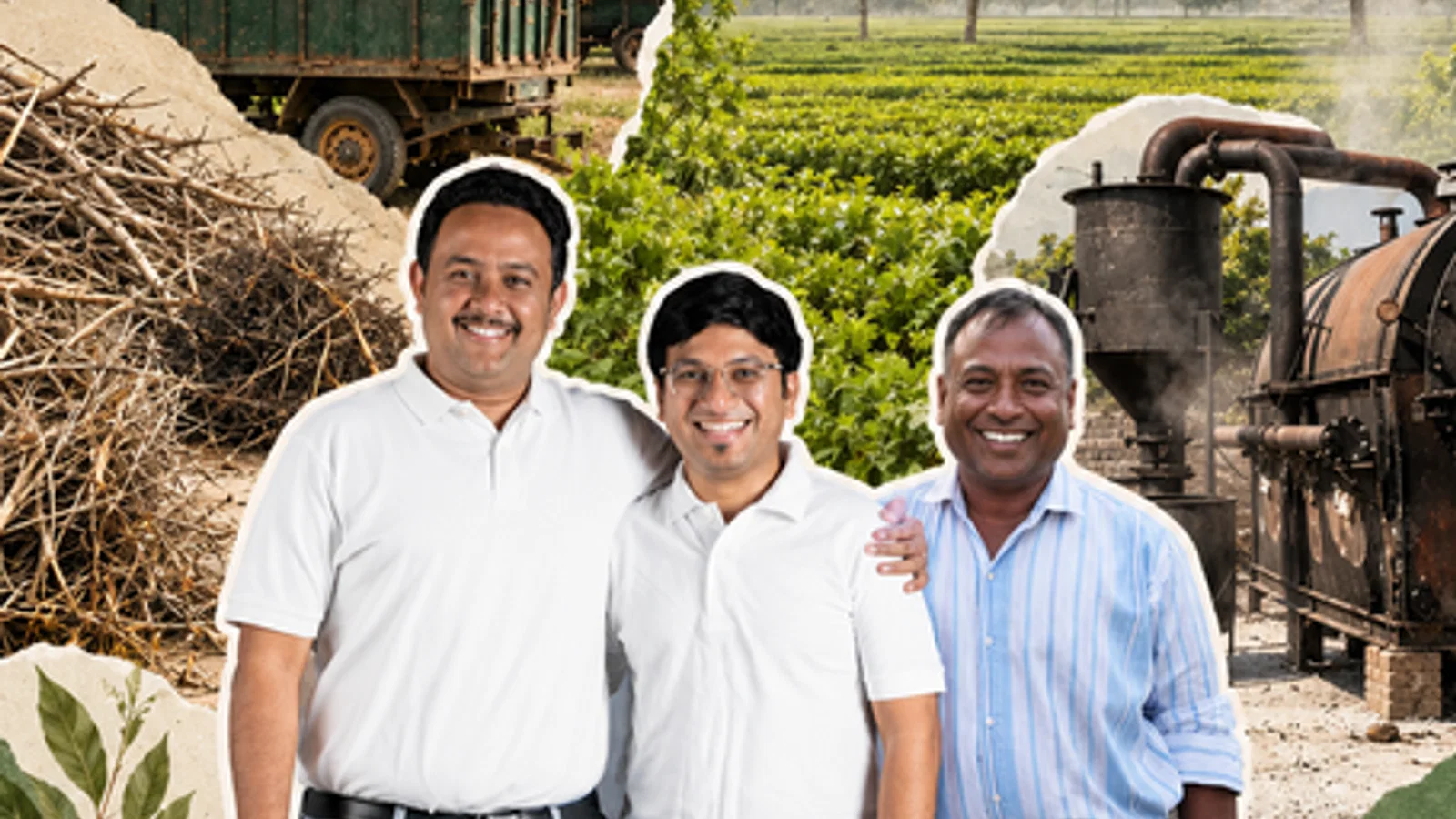
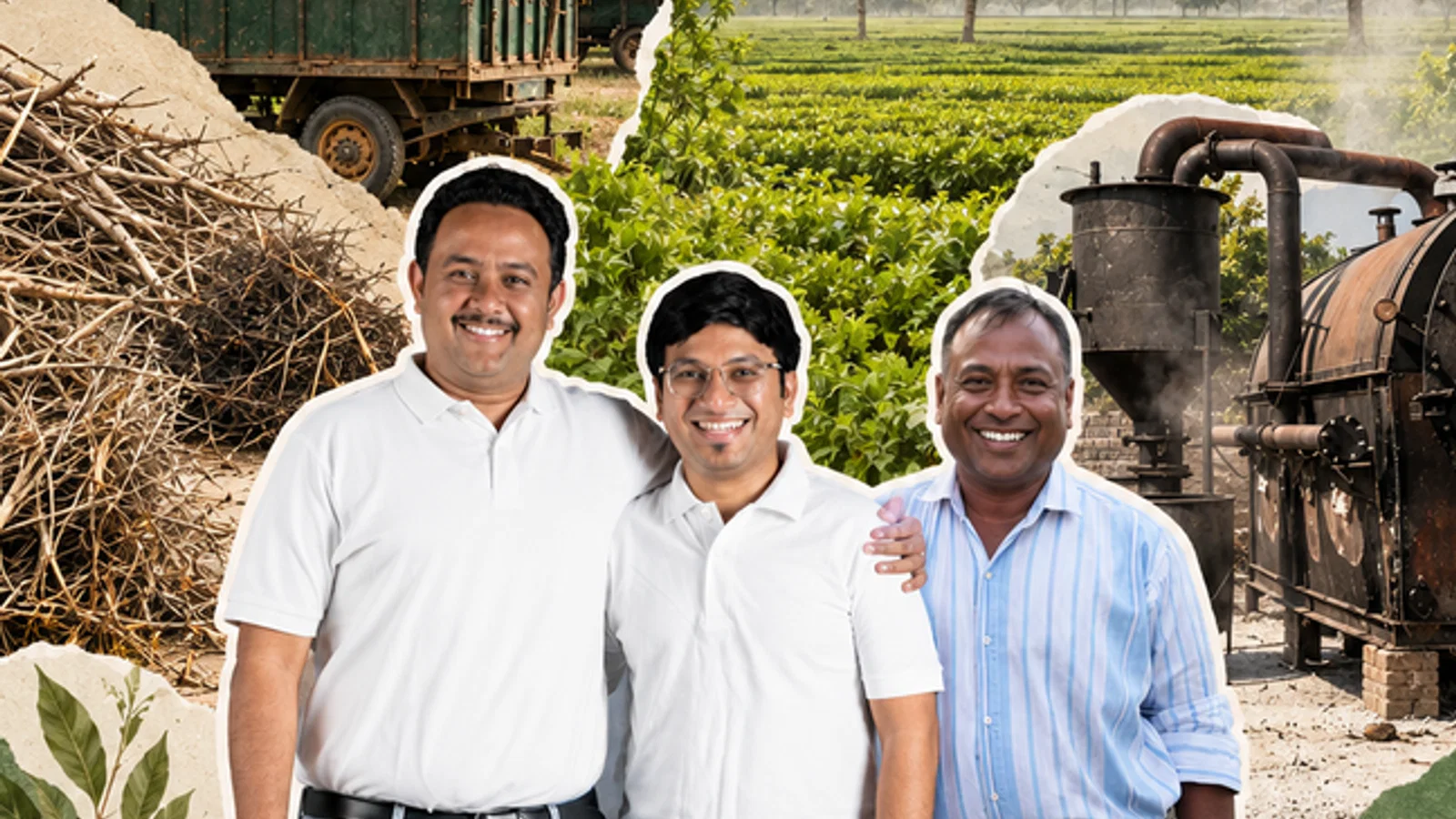
After harvesting banana, sugarcane and maize, farmers are often left with heaps of crop residue. In Gujarat, one farmer is finding a way to turn this waste into value.: इस घटनाक्रम पर आधिकारिक अपडेट दर्ज किया गया है। The 35-year-old farmer from Bardoli, Gujarat, grows banana, sugarcane and maize. After every harvest, stalks, leaves and other biomass remain behind, needing to be cleared.
घटना कैसे हुई और क्या है पूरा मामला
After harvesting banana, sugarcane and maize, farmers are often left with heaps of crop residue. In Gujarat, one farmer is finding a way to turn this waste into value.
The 35-year-old farmer from Bardoli, Gujarat, grows banana, sugarcane and maize. After every harvest, stalks, leaves and other biomass remain behind, needing to be cleared.
Farmers may use crop residue as fodder or compost. Others burn it to clear their fields for the next crop, a practice that can add to air pollution and release carbon.
Through Shree Radharani Agrotech, Hardik learnt that agricultural waste could be part of a carbon project. Instead of being burnt or discarded, it could help generate carbon credits.
मुख्य पुष्ट तथ्य और जांच के अहम बिंदु
- •After harvesting banana, sugarcane and maize, farmers are often left with heaps of crop residue. In Gujarat, one farmer is finding a way to turn this waste into value.
- •The 35-year-old farmer from Bardoli, Gujarat, grows banana, sugarcane and maize. After every harvest, stalks, leaves and other biomass remain behind, needing to be cleared.
- •Farmers may use crop residue as fodder or compost. Others burn it to clear their fields for the next crop, a practice that can add to air pollution and release carbon.
- •Through Shree Radharani Agrotech, Hardik learnt that agricultural waste could be part of a carbon project. Instead of being burnt or discarded, it could help generate carbon credits.
ताजा स्थिति व आगे का अपडेट
इस घटनाक्रम पर संबंधित अधिकारियों और प्रशासनिक स्तर पर निरंतर समीक्षा जारी है। ताजा आधिकारिक सूचना के आधार पर विवरण को अद्यतन किया जाएगा।